
Tracking the Wendigo: In Search of a Hungry Spirit w/Jason Hewlett

Did someone really see a Wendigo in the Canadian wilderness? In this episode of ParaTruth: Reborn, Justin and Erik talk with author, investigator, and filmmaker Jason Hewlett about his new documentary Tracking the Wendigo and his companion book Heart...

 Apple Podcasts

 Spotify

 RSS Feed

 Amazon Music

 Castbox

 Deezer

 Podcast Addict

 Podchaser

 JioSaavn

 Spreaker

 YouTube
Did someone really see a Wendigo in the Canadian wilderness?
In this episode of ParaTruth: Reborn, Justin and Erik talk with author, investigator, and filmmaker Jason Hewlett about his new documentary Tracking the Wendigo and his companion book Heart of Ice: Tracking the Wendigo. Together, they dig into the chilling witness report that sparked the investigation, the remote locations they explored, and what it means to chase a legend born from hunger, isolation, and taboo.
You’ll discover:
- The real story behind the reported Wendigo encounter
- How Jason approaches investigating a being rooted in Indigenous lore
- The emotional and spiritual weight of working with a “cannibal spirit” legend
- Why modern-day Wendigo reports might say more about us than we think
If you’ve ever felt the pull of the deep woods, this episode will make you think twice about what’s watching from the tree line.
Guest Bio:
Jason Hewlett is a paranormal investigator, researcher. author and filmmaker from British Columbia, Canada. He is the co-founder of the Canadian Paranormal Society, the co-creator, writer and director of the award-winning web series We Want to Believe, and the author of four books, the most recent being The Legend of Ogopogo: Canada's Loch Ness Monster from @SmallTownMonsters Publishing. He also appears in the Small Town Monsters documentaries Cursed Waters: Creature of Lake Okanagan and On the Trail of Bigfoot: The Origin. His latest book, Heart of Ice: Tracking the Wendigo, came out Oct. 6 from Small Town Monsters Publishing. It accompanied the documentary Tracking the Wendigo, which debuted Oct. 26. His latest documentary, Sasquatch Legacy, came out Dec. 7 from Small Town Monsters as well. He's also the host of Paranormal Theories, a weekly radio show on Sandcastle Radio out of Florida.
Become a supporter of this podcast: https://www.spreaker.com/podcast/paratruth-reborn--6273542/support.
Thanks for listening!
0:00 There are legends that warn against whistling in the woods at night, not to follow voices that sound like someone you love, because some things don't hunt to survive, They hunt with unquenchable hunger for human flesh. Tonight on Paratruth Reborn, we're going deep into the frozen wilderness of Canada with investigator and filmmaker Jason Hewlett, the creator of Tracking a windogo, a documentary inspired by a modern witness who swears she encountered something that shouldn't exist. Was it a legend, a spirit, or a treature of sorts that still walks the forest today?
0:44 Buckle up, because tonight we're Tracking the Wind to go Well, Go Well, do Para True True? What's up everybody? And welcome to Parachute Reborn. My name is Eric and I'm Justin and today we are joined by Jason Hewlett, who is a paranormal investigator, researcher, author and filmmaker from British Columbia, Canada.
1:38 He's the co founder of the Canadian Paranormal Society, the co creator, writer and director of the award winning web series We Want to Believe, and appears in the Small Tongue Monsters documentaries, Cursed Waters, Creature of Lake Okay, ok oh, my goodness, I'm sorry, guys, fuckin Agen right? Is that how it said? Not? Uh? And on the Trail of Bigfoot The Origin. His latest book Heart of Ice, Tracking the Wind to Go, released on October sixth, published by Small Tom Small Time Monsters Publishing. It accompanied the documentary Tracking the Wind to Go, which debuted October twenty sixth. His latest documentary, Sashquatch Legacy, released on December seventh. He's also the host of Paranormal Theories, a weekly radio show on Sandy Castle Radio out of Florida. Jason, Welcome to Parachute Reborn. How's it going good?
2:35 Good? Thanks so much for having me on at Okanagan is a tough word for people who aren't from the area. It really is. Sorry for messing that up. I even looked it up to you to make sure that's pronouncing it right earlier. It gets everybody if you're not from BC or Canada. Man, it's just to everybody. So it's cool. Lake Oga Pogo too. It's one of those is just not in our informal language. No, No, it's it's its own thing. It's it's all based on the indigenous languages up here, right. So well, now we have you on of course to talk about some. Wind of goldlore and documentaring the book in particular, But before we really dive into the need of this, what really first drew you specifically to Wind to Goldbore out of all the other entities and legends out there in all world.
3:24 It started as a kid. Actually, I was a comic book nerd and I read like a lot of Marvel comics and one of my favorites as a kid growing up was The Incredible Hulk. And there was an issue of The Incredible Hulk from the early seventies, so obviously I found it second hand, but where the Hulk fought a creature called the Wendigo in Canada, and that was also the same issue that introduced Wolverine to the Marvel comics, and I just thought it was a cool comic book character, and so I would draw the wnd to go myself and my own comics as a kid, and it was portrayed there as just sort of this very white, hairy bigfoot with a tail, and the cannibalistic aspects where we're downplayed a bit, just sort of mentioned, but I thought it was a comic book, fella, until much later in life when I realized it was actually a very real indigenous story up here in Canada, and that there are people who believe there are these creatures who are currently wandering the forests hungry for human flesh. That's really where my interests started.
4:24 That's awesome that I saw it in the documentary and then you're bringing up now because I read that EPI or that comic as well. Oh cool. I was a huge fan of Wolverine growing up, and when I saw that, yeah, i'd kind of known the one to go legend, but again not nearly as in depth as I do now. So it's kind of fascinating that kind of sparked your interest in it. I think you've got a lot of people if you're a kid reading comics around that era, you know, or even a little bit later right because its been republished in trade paced for back. But it was just I think it shows how the character is almost character, the Cryptid is so much more well known. I think in pop culture that amongst maybe cryptid lore r.
5:09 One hundred percent. And as someone I don't know you see behind me, I got lay all these statues of DC comic characters. I'm a collector, and I and among many groups of collectors, they're often posting stuff where pre regularly about how they would love to see a statue of the Hawk versus the Wind to Go and they want this high and collectible of that. So it's something that is very very much popular in pop culture and is still gaining trash even today. Well I think that's why, you know, I'd say in the end, why the movie and the book exist from small town Monsters, Because it is well known enough and it's become more popular in the last twenty years. I think that when it was featured in the first season of the TV show Supernatural, that really pushed it into the modern modern lexicon, you know. And then the movie came out a few years ago called Antler's which is very much about the Weendigo. There's the video game Until Dawn which features When to Goes in it, and even a character named Jack Fiddler who was a very real When to Go hunter here in Canada. So I think it's just it's out there more and more and gaining this traction that it kind of just spoke to me, you know, Time to do a documentary about it that tackled the subject matter seriously and have a book to go along with it, because previously, I think the only real book was but Chad Lewis wrote called When to Go Law, which came out a few years ago, and his was I think the first really serious deep dive into the law surrounding it. And then so mine was sort of the next evolution of that.
6:34 Now, what was the original report that landed on your desk and made you say, Okay, we have to follow this, we have to we have to document this. Well, I was kind of already researching it at the time the book. I didn't know if there's going to be a film or anything. But while I was researching it, I had heard from someone locally like they're someone that kind of knew, you know, casually kind of thing. We were talking. He's like, what are you working on? And I'm like, I'm working on a book about the Wendigo and he's like, my wife thinks she saw one actually just this past January, so this is going back to twenty twenty four, and basically, yeah, she was dry. They live in the community a half hour out of the town where I live, called Pintan, and she was driving home from work here in Kamloops where I live, and on the side of the road that she's getting into the community and it's rural and it's dark and it's not well lit, she saw something on the side of the road that was tall, wearing like a cloak and had kind of a deerest shaped head with antlers sticking up.
7:35 And it's like literally one of those like you catch it. You kind of just register what you're seeing and it catches your eye and then it's gone. And she'd driven past it. But there had been issues the house where they were living, where there's some other paranormal activity, and her brother had been living there and struggling with addiction, which he had just kind of succumbed to. And her husband, who was a gentleman I was speaking to, kind of when he heard her description of it, looked it up and said, it sounds like you saw a wind to go, and of course the wind that goes like a consumptive spirit. So he kind of hypothesize it because of what had been going on with the brother and the other paranormal activity, this could be potentially what she saw, and that kind of kicked off an investigation that became part of the book and also the wrap around sequence in the actual documentary itself.
8:20 Kay, one detail you actually just mentioned there about the Wind to Go is that she thinks she saw something with antlers. Antlers or horns is not something that's originally associated with the Wind to Go as far as I understand, ridging their aboad or had like. Patches of fur or something like that. So if that were the case, I mean, how does the Wind to Go end up going from this bald headed creature to something with antlers? Is that something that's just more of the mind that's kind of developing this or does the spirit kind of manifests itself per you know the legends. It's interesting because when the Wenda Goes started, it wasn't even a creature. It was a state of mind. You thought you were being taken over by something that was making you want to eat your loved ones. You started seeing people as game, animals as food. So it's morely a psychological, more possessive state. And it wasn't until Elgernon Blackwood wrote his novella The Wend to Go that it was even portrayed as a creature, any kind of physical being.
9:25 And yes, initially it was portrayed as a bald, almost rakelike creature, skeletal, very thin in the wood, sometimes the little patches of hair. And somehow, over like the last hundred years, these antlers have started showing up up on them. And I guess there's some indigenous tribes that would say it had antlers, and then woe said it didn't. But it's just one of those things that as this story has kind of gone on through time, it's been added to which was interesting. I mentioned the video game Until Dawn earlier, and in the video game they are when to Go are portrayed without ant okay, so you know, but the bar and even in that Supernatural episode it didn't have antlers either, right, right, But you know, no reason now it's it does. And that's just people think they see something that looks like it's got antlers in the woods. They're automatically saying, oh, that's a wender Go, right, or it could be anything. You could be misinterpreting something you're seeing, you know.
10:20 Yeah, oh for sure. I mean I miss interpreted a pine tree once for a big pot, so I kind of understand it. It happens, right, But me and Justin and I we always mention this because there's sometimes like a mass influence that people have this idea of what certain entity or creature should look like, and then suddenly that creature starts taking on those attributes. And so I was wondering if maybe that could be the possible or a possibility at least for the Wind to Go suddenly developing these antlers because there are normal people who I'm assuming they find it more spooky that he has antlers or would have antlers, And because of so many people kind of the mind's melding together, it create this kind of you know, new entity or a new attribute to the entity that it takes on.
11:07 I think. So I even kind of talk about that a bit in the book that I think, like I, you know, because of the wend to Go and how it's changed over time, and there's so many different interpretations of it, it feels like that, you know, did we did belief cretic a tulpa effect? Did the belief create suddenly this physical creature that's out there, you know, roaming the woods? And that to me and I hate explaining an unknown with another unknown, but I could see that happening that you just you know, and that you know, and it's changed over time and we're seeing it this way. So yeah, that that could be possible, right, And that's why now people are, you know, seeing these horned creatures roaming in the woods. I mean, I think people are. They get very excited, you know, something becomes more popular, They start seeing things, they misinterpreting other things. I had someone mentioned to me after, you know, you know, before the movie came out, that there's a barn near here that was possessed by a Wenda go And I'm kind of like, well, Wendo goes don't possess barns. You know, they kind of take over people, you know, if they're real at all. So I think you're right. The human mind in society and culture likes to kind of just shape things as it goes along.
12:11 Now you've kind of gone over like what the what the origins of the Wind to Go are and kind of what made you really realize that this was something more than just a story. But one thing that I found really fascinating in the documentary is the story about swift Runners. So can you tell us a little bit about who swift Runner was and what your thoughts were on the on this story. Well, swift Runner was a cree hunter trapper guide for the Hudson's Bay Company, and you know, and worked with the Northwest Mounted Police, which are now of course are rocky, you know, our roal Canadian Mounted Police. And he was someone.
12:54 He's where the story went from being sort of this indigenous myth and crossed over and to Canadian criminal law because he showed up in Saint Albert, Alberta seeing his family was dead and you know, they consumed in this died in this really harsh winter and there was no food and everything. But he was looking really fit. You know, he was a big guy anyways, but he's looking fitlye and starved at all. And at night he would start screaming in his sleep that a wendigo was trying to make its way into his room and take him over. And so what basically happened, To make a long story short, he eventually took people and the police to the Twattna Valley where his family had died, and it turned out that he had basically eaten them. He'd killed and eaten them, and they saw the remains of the family and bones and everything like that, and it basically came out that he had been he said, he was possessed by a wendigo and he ate his family one at a time, the last victim being one of his sons. And so he was taken to Fort Saskatchewan where he's basically tried and the first person legally hung in Western Canada. And even at Fort Saskatchewan when he was in these tiny jail cells, he was going on about that the wendago was still trying to get into his cell and eat him, not eat him, possess him, which would that of course make him to continue to eat people basically until he was stopped. So when he was finally hung, which was in a december, cold December day, he was he was ready.
14:24 He was like, it took a long time, and he was really upset it was taking so long because he was just ready to die because he was so afraid that he would be possessed by this being. Sure, yeah, I the one thing that you mentioned on the documentary was or maybe with somebody else that you know, can you imagine that last son realizing, you know, that his dad ate all of the rest of his family, and then he was going to be the last one or the next one. And I can't even imagine, like even thinking back to like Jeffrey Dahmer's Victims and stuff like that. It's one of those things that it's like, it's frightening. And also the psychology that you had to have gone through to do those atrocities is something to be believed or understood. Because I couldn't eat my family, let alone another person period.
15:21 So well, and that's where the psychosis comes into play, right, Like is this person is either really being possessed by something that's making them do this, or they believe it so strongly within their culture that when they suddenly they start having these urges or you know, or he could have just decided to kill and eat his family and he blamed it on the Wend to Go story, you know what I mean. And there's a whole bunch of possibilities, but regardless, it's yeah shot. There's Chad Lewis who relayed that because he was in the Twattna Valley in the middle of winter researching his book. I was there in May, so it was like nowhere near as cold and there's no snow, but it's a remote place. There's nothing around. Couldn't imagine back in late eighteen hundreds just being there and having this crime happen, and yeah, you're right, being the victims of this person doing that.
16:08 Yeah, well, like like anthropic disorder too, yeah for were wolves. Yeah, it's it's that. There's actually a really good movie about that called where they sort of talked about that in the in the film and it was like, yeah, it's a rough topic, but yeah, there's these these parallels though, to these other stories around the world, which kind of makes you really wonder, like it's a chicken and egg kind. Of thing, right real. Yeah. Well, now, in regard to the actual legend of the Wind to Go, do we know exactly where it originated and what tribe it originated from? We just know it's it's primarily Algonquin Cree, Okay, the origins of it. Like like we say in the in the film, no one really knows where exactly the story started.
16:56 We just know how it's supposed to work. You know what I mean. You you behave in a certain way that is selfish and detrimental to others, and the When to Go will come and take you over, make you eat your loved ones and then basically just keep committing these acts of murderous cannibalism until you're stopped. And it sounds really hard to stop a person when they become a wend to go. You either have to melt the heart, which turns to ice by pouring hot fluids down the throat to do that, which you got to think that's going to do incredible damage anyways, and then or you dismember the body and either burn it or sort of scatter the remains on like consecrated grounds. You kind of even can see parallels to the vampire story there as well, and even in some stories that we research, silver is needed.
17:49 It needs to be a silver weapon, which doesn't, like you said, entropy and werewolves. So it's a really fascinating thing. And then obviously then at some point you once you were also and over you you became this monster curse to roam the woods, even eating yourself because you're so hungry. And this apparently you just keep going until you consume so much of your body that you're done. And that's where that whole idea of the whin they would have lips comes in too, where it would eat its own lips off and it's so hungry. Yeah, that's crazy, crazy story, right. That was another part of the legend. I had never heard before that the creature or person whatever starts eating themselves, not just other people.
18:36 Yeah, that was new to me too, so as when Chad Lewis was kind of talking about that and Morgan knuds and I was like, holy cow, this is hardcore. Now. Was there a moment during the investigation where you're personally like, there's something to this, that this is real, there's something that makes this a genuine legend or a genuine story. Yeah, No, it was I kind of going up to Alberta to do my research, which is like the first thing I did, Like once I kind of knew that something was happening with this project, I went up to Alberta and I connected with Morgan Knudsen and Alicia Pearl Warner and Michael Brown and we spent several days kind of like tracking the whend to Go story starting with swift Runner and then all these other stories in the area and even some personal encounters that they'd had, and just the fact that people up there really believe this, like they still this is a serious, serious part of Alberta history and there are people who still believe that Wendegoes are out there and that you know, if you behave in a certain way, the WHND to Go can come and take you over, especially when you go into the smaller rural towns and people don't like talking about it and they don't even want you to mention the name.
19:53 And I'm like, wow, like this is I've been investigating the paranormal for more than twenty years, but this is the first time where it's like it really seemed to scare people. Uh, these stories and this legend and and yeah, that they're having sightings to this day really struck me. So even there's kind of modern area of like high science, this is of this story rings true for a lot of people. And as I talked to more people and interviewed Chad Lewis, like he would say, that's the same thing. And you know, he's down in the States, and there's people that still believe, tribes down there of the Algonquincrete that still really believe the wind that goes a real thing, and it's really bad luck to talk about it. So, even though I can't say for sure, what I think the win to go is that there's something to it, and people believe in it very very strongly.
20:37 Okay, yeah, now what is like So we aren't talked a little bit about pop culture, but what are some of the biggest misconceptions that you see in pop patry regarding the wind to Go that maybe people should be a little more hesitant about. Ooh, misconceptions. That's a tough one. I mean, it's it is primarily a cold weather thing. So if you're seeing like you know, people seem to think they're seeing them at all times of the year, but it's primarily a cold weather thing. It is related, you know, to cannibalism. It's not a skin walker. They're two completely different things. I seem to get mixed up a lot. Skin Walker is a person who can kind of change themselves into these other things. If you're a wend to Go is just like you are a wend to Go, and if you become a creature, you go from person to monster.
21:29 That's kind of a really big one. I think a lot of stuff gets muddied, you know where I can't really pull one apart from the other. But you're not going to see Wendygo in Florida. I really doubt like that people we've had I've heard reports from Vancouver, Canada, and I don't know if I really believe that. I think people might be seeing something else and just distributing it to The Wend to Go. So that's a really hard question to answer because I think the story itself has been changed with time, and it would even change if based on different parts of Gonklin Creel. Yeah, that's a good one. Now, did you consult with any Indigenous elders or storytellers or anything like that on this project and how did their their perspective kind of shape your approach.
22:18 The primary one that I got to talk to me I was really thankful for it was Alicia pro Werner, who's of the Cree tribe up in Edmonton and Northern Alberta. I did talk to a podcaster, and I really apologize. I can't remember her name off the top of my head, but she had an indigenous podcast. They did an episode on The Wend to Go and I couldn't interview her for the film, but I interviewed her for the book. And same with Amanda Quill, who's a paranormal investigator out of Vancouver. Again not for the film. But I interviewed here for the book, and that was really important to me to include that because here in Canada, all these stories are Indigenous stories, and as much as I can, I want them to be telling them. The hardest part is getting them to talk about them. I think one part they're very protective of their stories too. They take something like the When to Go really seriously and they don't see it as a good thing. You shouldn't be talking about it. And then the third part is that like white people like me have come in and taken their stories and kind of just run with them without bothering to consult them. So I think there's a fear that these stories are going to be misinterpreted or made to be more nightmarish than they are. Facts will be changed around, and I think that's already happened. We just sort of discussed that it's already happened with The When to Go anyways. But yeah, so it was really hard to find someone to talk about it. So I'm really thankful that I could find those three people, and that I could get Alicia like on camera talking about it and talking about her experience. I think that really added a lot to the documentary. And I could have recounted a lot of those things or got other people too,
23:48 but I really thought it was important. I try to do this with every documentary I make, to get Indigenous people to tell their stories as much as they can or they want to. Well, something I've kind of heard a lot of is and it's kind of mentioned in the documentary to a lot of the evil entities. They don't want that legend spread because they believe talking about it will bring it to life or into reality. I could see that, like, you know, it's just like and I know, yeah, that was something when I was sort of even sort of in Alberta. You know, you want to talk to people about it, and they just kind of look at you funny, like why do you want to do that? Like you could just bring it upon yourself. I mean, I've said when to go so many times in the last year and a half. I haven't started hitting people yet. I know that's not something I'm too worried about, but I know that people take it seriously. You got to respect that at the same time, and at the same time, these someone is going to tell this story, and so I think if you're going to tell it.
24:45 It needs to be told right right, Well, I think also like again this creatures taken or spirit is taken, taking up so much real real estate within pop culture world, but also just within the paranormal community people who are interested in knowing more, especially younger generations. Because back in two thousand and seven, two thousand and eight, when Justin and I first started doing podcasting, we didn't say the Wind to Go at all, We didn't use the name, we didn't say it out loud. People were too afraid of it. They didn't want to hear it, and if they did, they would turn the readio off. Nowadays, yeah, it's just throwing about like it's just any other creature, any other story. And there's yet to be any harm that I've noticed coming from right now. I'm not saying that there won't be harm at some point for somebody who knows. You know that situational I guess. Or it's very dependent on the belief systems too, even you know, it's like, if you don't believe in the Wind to Go, can it really come to hurt you? Right as you can think with any of these creatures that exist today, whether it be big but we're you know, dog man et cetera. But I always find that really interesting, just how much time changes people's perspective and understanding on some of these creatures and what they are willing to talk about, you know nowadays.
26:02 No, I agree, Like I think I mentioned before going on, like I was a journalist as a crime reporter for ten years from two thousand and three to twenty fourteen, and if I had mentioned that I was interested in the paranormal and like to hunt ghosts, I would have had zero credibility as a journalist, like none. I probably would have lost my job. And now I'm making documentaries about it, and I have a weekly radio show and I write these books and I talk about it freely, and everyone's like, cool, man, that's awesome. That shows how much things have changed in twenty years. But you also got to look over that time frame, like shows like ghost Hunters came along, you know, in paranormal State, and then Expedition Bigfoot and Expedition X and all this other stuff.
26:43 And as much as I think a lot of those shows do the field harm because of the way that they're portrayed, and that's a whole other conversation, it has made it an acceptable thing to talk about right at the same time and to get these conversations going. And I think that's great because I think there's something to all this, and I think it's a natural part of our human experience and an experience on planet Earth and a natural phenomenon. And I think once we understand it, I think we'll understand ourselves and our planet a lot. Better for sure. I Mean, I've believed in dragons for years, and there's a dragon legend in almost every culture around the world. So do I want dragons to come around?
27:32 Probably not. I've seen rain of Fire and the possible future that might have, so yeah, No, I don't want that future at all. But I would love to know a lot of the where these legends come from, and if they are real, why are we not finding them yet? Yeah, And then that's the number one question, And that's I think when you do get more into supernatural explanations, right, And I mean the indigenous people with all these stories every they were like, you know, Sasquatch is a spiritual being. You know, o go Poco is a spiritual being. Hence they're not always in our world and can move back and forth. But the when to go whereas although like where's something like a sea monster or a sasquatch could potentially also have this cryptozoological like a zoological explanation. The when that goes something else entirely, like it doesn't fit into total cryptid and it's not exactly a possession story, right, and it's kind of also a mental healthish do you know?
28:32 You know what I mean? Like, it doesn't fit into this neat box. And I think that's what what to me makes it so interesting. I think that's what we're realizing with a lot of these creatures. Now, Yeah, you can't just put them in a single box. No, they're marketing channel, you know, it's it's hard to hard to pinpoint exactly who they are what they are. You know, one question I do have for you to reguarding this while we're on this topic, do you think like that considering Bigfoot might be spiritual? You know, various other cryptids spiritual. This when to go possibly spiritual. It was a time where none of these creatures, at least in in the bad sense, weren't spiritual. They're supposed to be physical beings, physical cryptids. Do you think people considering them to be spiritual now is because they really believe it to be spiritual or do you think it's their way and investigative way of being able to say, oh, I haven't been able to find a physical thing because it isn't physical. Therefore, you know, it is just a way to kind of save their pride even a way.
29:33 You think you know that that's really interesting because I just had a documentary come out called Sasquatch Legacy, and I met with like some veteran Sasquatch researchers like Thomas Steinberg, Jerry Matthews, Bill Reid, and Brad Trent, who all worked with like you know, Renee Dehinden and John Green and all these like legends in the field. And they believe if and they still talk about it this way after like decades of research, if sasquatch is real, it's a real being. If it's not real, that's why you haven't found it yet, you know what I mean. And they figure that we'll know just with the way technology is going now, and you know the way that even large tunnels under highways or if like cameras in it, that in about five years we'll know for sure if a Sasquatch is real or not. And they are very big on the fact that they think people who go to the paranormal realm for explanations are just like you're saying, they're trying to keep the story alive. They can't figure out a logical explanation, so it's just a way to kind of push like a faith almost more so than anything else. And I you know, I've investigated ghosts for twenty five years, you know, and had experiences all my life.
30:44 I'm confident there's something to it. I can't tell you if it's the spirit of the dead or whatnot, but there's something to it. And so that's why, you know. So it's like, could Bigfoot be something spiritual? I don't think the indigenous people are wrong, but they attribute spiritual explot to everything. Sure, right, And I've had experiences with something in the woods. It's definitely seems a far more physical than than than spiritual. So yeah, I think it's I think that is. It's it's an excuse. Like I say, I don't think it's good to explain it unknown with another unknown. I think you have to approach some these things, especially with good hardcore skepticism, and be okay with the fact like, what would be so wrong if we prove that Bigfoot isn't real? Right?
31:29 Right? Right there you go. You solve the mystery, you know what I mean. And it's cool that people believe in it. I think it's a great story. But if you prove that there's no such thing as sasquatch, then okay, that's the problem solved. Next next subject. Yeah, I think and I think that works best for people who are open minded about sasquatch. No. On the on the flip side of there's people and I was one of these people at one point where you're just so so like committed to the fact that this creature does exist, and everything you do is about this creature existing, and then all of a sudden you want doesn't that causes big kind of collapse on your foundation, right because you're building yourself up on this foundation. So for those that the people, it might be very very difficult and very harsh for them. But yeah, I think if we're open mind data in this especially in this world, the paranormal world, the spiritual world.
32:19 Then we have nothing to really lose, just more to gain. I agree, and I I've met a lot of the people who I hate to use the term fanatical, but who are just so want these things to be real, Like you know what I mean, And it's just like, yeah, you're right. It would literally kill the fiber of their being to prod it once. But I mean that's I think that's the risk of having too strong a belief in anything, Like I think, you know, if you're going to get into this line quote unquote line of work, you need to be as skeptical as possible. And that's how you can kind of I've been to places where there's been stories about hauntings and we've had stuff happen that we've been able to debunk, and we're not upset that we debunked. It's like cool, because we've also had things happen that we can't debunk and we have no idea what it was that happened. So that's just part of doing this. And just because you have one thing happened that you can debunk doesn't mean that everything else is bs same as if you have something that you can debunk, doesn't mean that everything else that goes on in that house or property is haunted. So everything's trying to coach on our case by case basis.
33:22 Yeah, and we do the same thing when it comes to like paranormal investigations dost in particular, and it's like we can tell people, yeah, we believe that ghosts exists, and this is the reason why it was the evidence. But I can't replicate any of this evidence that we've captured, so I can't actually tell you or Prudy that they do exist. It's just what I've experienced, what I think is true. Well, you know if it's not, if I'm wrong, hey, it's a fun time. Well and we'll still have those clients though, too that you've you've done the investigation and you're like, we're not getting anything. We don't think there's a haunting here. And they're like, no, no, you guys are wrong. There's so much stuff that's unexplained. You know there's there's ghosts here.
34:08 Yeah. I've had those people too. Man, let's spend hours at a house and then nothing happened. None of the things they ever explained came even fromtally close to happened, Like, nothing happened. And when you looked at their their shelves, they had like every ghost book and every episode of like ghost Hunters, and it's like I think some people just want to have to be a part of this phenomena in whatever way, shape or form that they can. I mean, there's people that say that they've sat with tribes of Sasquatch, you know what I mean, and that there's tribes of them and they have their whole culture. And then the ones that are just roaming the woods attacking people are like the outcasts and blah blah blah blah blah. And it's like, where are you getting this from? Like, right, how how have you believe this? And do you really believe that it? Are you just selling a line because you want to make some bucks? Like it just really, you gotta no no right now.
35:00 One part of the documentary, you guys mentioned, you know, let's hope that none of us get possessed by by the wind to Go spirit because we're calling it. Was there really that fear? Was it like a joke? Kind of a nervous joke. What was that about? It was just kind of a little bit of both. Because you can't, in my mind, you can't consider yourself a researcher investigator and cover your topic like the when to go, especially at a place where there's been a report of a sighting of one without conducting an investigation.
35:40 So that's what we did. So, you know, all Olivia Aslin and I were the two people doing the investigation, and we would decide that one part of that was going to be using the SDS method, And for people who don't know what that is, one person plugs their earphones into a spirit box, which is an AMFM receiver that spirit's supposed to communicate with, and was wearing the headphones so he couldn't hear what I was saying. So I would ask questions and then he would answer, I'm not hearing the question that I asked. And I kind of joked that because when the gooes are supposed to possess people asked, Alli, if he's okay with that, that's you know, there's a chance that that could happen, even though I didn't really believe that it would. But what do I know have happened?
36:25 Well, it's like calling a demon's name and expecting it not to come around. Yeah, exactly, So you just but so it was kind of one part. I was pretty confident we would be okay, but after having spent at that point about a year researching it, and you know, filming parts of the documentary, it's like, well, you got to kind of, you know, also be half serious at the same time, and all he was okay with it, and Sean had the rifle and no one got shot, so everything was about no one ate anyone. So we're good, all good for all else. But people called us both very brave and complete idiots. Yeah for doing.
37:07 Fine line being genius and idiocy is yeah. Yeah. I really liked how that turned the whole sequence turned out in the documentary. It was a nice way to kind of cap things off. Well, now while you're actually in the field, like how do you especially with the documentary, it's like, how do you balance being a storyteller an investigator, but also being a human being who can still be scared and frightened by things. You just film what happened. That's how I've I approached this. I don't know what's going to happen, And when you do an investigation for a documentary like this, you have no idea what's going to happen, and so you're going completely open minded. You conduct your investigation and you film it and then kind of whatever happens happens. All I knew with Tracking the Wind to Go with that investigation that we shot that it was going to be the wrap around segment for the documentary. That's the only thing I really knew. I wanted it to be, so whatever happened, good or bad, it would be kind of the beginning and end with sort of the beginning of the investigation, the setup, and then I really wanted kind of the last act of the documentary, after we've done all this other stuff, to kind of be the culmination in this investigation.
38:15 I think one part, because people enjoy watching that kind of thing, especially when you get the night vision out and all that, and if something happens, it can be dramatic and it can be very memorable. And you know, I always believe that the one thing people remember most about any book or story is how it ends. You can have like the best movie in the world, and if the ending sucks, that's what you remember. Ever remembers the ending of The Sopranos and hates it, but they forget there's like eight great seasons of TV before that. So however the investigation went, would definitely be how people left Tracking the WHND to Go feeling. That's how I felt about Supernatural when it ended, they couldn't have ended it any other way, but it was still a stupid ending, but just because I loved the show that much. But yeah, you always have to end the story, and not everybody's always gonna agree with it, unfortunately.
39:06 No, I felt at least people who like watching investigations would enjoy the investigation, and once it was shot, I knew that we had some stuff happen that would at least be compelling enough for people to watch and enjoy it. Even though we basically spoiler alert people haven't seen it. We were inconclusive as to what we experienced in the woods that night, but I thought it was just it was interesting, it was fun to do those Those are like the fun parts of the shoot, really. Right, But now so it was inconclusive. How does that like? Do you stay awake at nights sometimes think like what was that? What really was that? Or is it just you know not how to say? Out of mind? It's it was conclusive and that's it, you know, Like. That's a good one. Like I've I've had stuff happen maybe that I haven't filmed, but that you have been investigating.
39:50 It makes you think, like for a long. You still ponder what that was with the when to go shoot? Like what I'm really curious about what off that UFO trigger object because it's you know, it's was behind me the sensor face and the other way, and it was a change in temperature that's supposed to set it off, and it went off, and you know, all he was looking at it. I had my back to it, but it just went off on its own. We've been walking around it for like, you know, an hour, nothing set it off. So what was that? That kind of puzzle about that for a bit. But I had begun post production on the Sex Squash Legacy documentary at the same time, so I was kind of filming two things, almost wrapping one up and starting another, so I didn't have time to dwell too much on it, unfortunately. I mean, I go back on when we were doing editing and I'm kind of like, I wonder what did Ali when we were doing the SDS method, because I asked the question, you know, are you hungry? And it responded, there's you got he said, we are. It's like, what was that?
40:50 You was like, was that a Wendigo spirit? Did we like just narrowly missed the whole the worst case scenario. On that or what well, and only that it didn't say I it's sh it said we yeah, so that's multiple you get it. That's demonic lore. Oh yeah, we are legion? Yeah right that. Yeah, who knows? Man? Like that was just to me that that was almost the big stumper. You know, they keep talking, So that's the question about are you hungry? And we are? But then that that was it? Right? No, Now. I have a problem with this as well. But how do you how do you separate it? It could be in general, but even specific to this case, what might be paranormal from what could be trauma, stress, or suggestion in a witness experience, or even mental illness or mental state.
41:47 Oh that's that's one. Yeah, that's a that's a tough one, man. It's because I understand how much all of that can influence someone's experience. I find it really interesting that a lot of people who experience paranormal phenomena or trauma survivors in some way, shape or form. Is it the mind trying to make sense of things? It could be, But you also have experiences where multiple people are experiencing the same thing at the same time, and not everybody. There could be you know, have gone through the similar trauma or something. So I think there's a correlation for sure.
42:30 Does trauma make you more susceptible to the paranormal? Does open your mind up more to it? Does being a victim of trauma draw the paranormal to you? I think those are big possibilities, But I think you got to also take into account mental health. I mean by my colleague Pete is an investigator for an ordained exorcist out of Washington State, and a big part of the process is if someone thinks they're possessed, they got to go through a proper psychological, psychological evaluation and check for mental health. I've been in people's home that say their places are haunted, and usually the homeowner leaves and one of the first things I do is look going to the bathroom and look for medication that could suggest things. Right, Sorry, folks, but it's just fibing that out now. But you got to take that into consideration. You have to.
43:19 I think most you know, paranormal investigators and even clients now realize that, you know, a paranormal investigator has to eliminate mental illness out and a lot of times, you know, us as investigators will ask is there any mental illness involved? And some people are truthful saying oh yeah, you know, I take this or that for schizophrenia or you know whatever, and then like you're saying, there's plenty more that don't and you still have to investigate to see if it was a lie. Oh yeah, and even like are you are you abuser of drugs and alcohol? Right? Have you been drinking or taking drugs when these experiences have happened, Like, it's all got to be taken into consideration, right when you're doing these things, don't don't drink and investigate.
44:07 This is also a good rule. Of well, it's like and we've told people, you know, it's better that you just tell us the truth up front rather than us finding out about it during the investigation. That's going to screw up credibility big time, huge. And if they're honest and forthright about it. And then then you're doing an investigation and you experience something you can't explain and there you. Go, right right, yeah, Well, now, so with this film, do you feel or did you feel a responsibility to the witness at the heart of this case, and if so, how did that guide the way you told the story? Yeah? I think I think with anything, like any any interviewee, you've you've you owe them, you know, doing the best possible job you can to relay their experience. I think that was something that was drilled into me as a journalist, like you're telling people stories, so you've got to be respectful and do the best possible job you can, even if you don't necessarily believe it, like that's your job.
45:06 There's a documentary filmmaker, I think it's the exact same thing, so you know, I mean it was cool, like, oh wow, there's like an alleged wend Togo signing like a half hour from where I live, and I'm working on a book about it, and I'm going to make a documentary. Great because that is great material, but you don't exploit it. They didn't want to be on cameras, so that's fine. They're okay with using the audio from the interview for the book. That was great, So figure out a way to incorporate that into the film in a respectful manner. Left out certain details that didn't need to be in there in terms of just talking about, you know, how much her brother's dying was like you know what I mean, like, you don't glorify it. And then there's the siding. We find a location as close as we can to where it was, and it's good to work. Now.
45:47 Have you had any pushback or strong reactions, both positive or negative from people who have seen the film or even read the book? Yeah, most largely positive. You know, I don't like to read YouTube comments too much. The negative ones are the typical what you'd expect what I'm yeah, yeah, the usual kind. But most people have been really good about it. I know. I used in order to sort of thread things together because just the nature of the project and timeline, I had to use you know, some AI to kind of just more to thread scenes together, like nothing that was actually part of the actual story, but just like some graphics and stuff that I didn't really just more out of necessity. People didn't like that, I get it. The next film, Sasquash Legacy, had like almost none and the project I'm working on now has zero. But that was more done just because you've got to thread things together, and I needed just images to lock stories together. I couldn't I couldn't afford to hire create a whnd to go suit or to hire actors to reenact the swift Runner, you know what I mean, like in period clothing and a fort like you just there's certain things you just can't do right. But that was really yet largely people really like it. The fact is the views continue to climb.
46:58 People are still watching it and still discovery it and still buying the book. And I think that just speaks where it's alf that's awesome. So I we are coming up to the end of the show here, But what's next for you? Any forthcoming investigations, films or other books we should keep an eye out for. I just last week last Sunday released Sasquatch Legacy, which I've mentioned a few times, and it's about Sasquatch and British Columbia, and we touched on the indigenous story, storytelling and legends that became you know, where it started. And then like I mentioned, we also went to Harrison Hot Springs, which is like the Sasquatch capital of Canada, and worked alongside Thomas Steinberg and Jerry Matthews to kind of hear like the history of the Sasquatch research and these sightings of Harrison Hot Springs investigated some locations like the Ruby Creek sighting with Thomas, and then we also had an investigation of sighting in the interior British Columbia that we again I made kind of a wrap Aroundish story because it was fairly recent and we've investigated that location where the sighting occurred and had some interesting things happen once again.
48:07 So that was a really good and I learned a lot from between Whend to Go and working on Sasquatch Legacy, even though they really overlapped in filming, but as filming of Sasquatch Legacy went along, I think I just became a better filmmaker, more confident filmmaker, and just it was great to work with these guys who are like legends in the Sasquatch community. So if people are in distress interested in Sasquatch from a Canadian perspective, I really hope people check it out. And it's currently playing on Small Town Monsters YouTube channel. Next year, myself and Alexander Pettakoff, who does a series for them called Bigfoot Beyond the Trail and I are going to collaborate on a project on Vancouver Island. So it's like We're going to Ape Island here in Canada and tackling the Sasquatch stories on Vancouver Island, and he's going to have a film out of it. I'm going to have a YouTube special, and I'm writing a book about the entire experience that we have.
48:57 Now for Sasquatch legacy. Not that that's what this episode is about, but was there anything in that investigation or documentary that really caught your attention evidence wise or even story wise that you're like, Yeah, this tells more of the Sasquatch story than what I, you know, previously knew. I thought it was interesting depending on who you talk to. Some indigenous people are really open to talking about Sasquatch and some just don't want to talk about Sasquatch because they see it as a very it almost depending on which tribe they have different belief systems. In some tribes it's good, some tribes is evil. So that took me by surprise. We came across a couple princes I thought was really interesting that could have been potential prints. BC is really bad for prince just by the nature of the terrain. And then like when we were kind of doing this investigation, at Kene. This gentleman Ken J. Moore experience.
49:59 Right around the week we were getting there, he had activity on his farm. It something went in to the kitchen the chicken coop, which was locked, went in and just tore apart a whole bunch of their chickens and dragged the remains out into the yard. Around the same time that one night, their dogs went nuts and chased something up a ridge behind their property and came back twenty minutes later, like just terrified. The dogs were just terrified, And literally you could draw a straight line from his property to where the experience happened, like about fifteen minutes down the road. So, and we had something in the woods with us there that you could smell it and it wasn't pleasant. So been a lot of the gummends dominate denominator for sasquatch.
50:44 Yeah, yeah, I thought that was really interesting. So I just I can't say it was a sasquatch. We didn't see anything, you know what I mean. But you put all these pieces together and something was there that was predatory to me. The chicken coop was fascinating. That wasn't just like a bear smashing in or a kaya well, something had to open the door to get in to get to the chickens. Okay, right, yeah, it's so that was pretty fusty. That's definitely something that best stands out. You know, it's significant. I think, you know, and I've said that has chickens and she's not had any coyotes, her her cars are, her house and yard are fenced in, but she's seen hawks dive, like dive bomb onto this fence. You know, you try to get in, and it's clear that you know, animals will do anything they can to get into these chicken coops, and most of it is not always the most brilliant ways. They trying to just break their way into metal. So when you see something that's unlocked the gate was able to walk in potentially and walk back out.
51:45 That's that's significant. That was that was really telling to us there's something something more going on there right now. For everybody watching listening who want to dig deeper in your work, where's the best place to find you and support your work and where can they find the upcoming projects? I guess you know small Town Monsters small town monsters dot com. You can find like Cursed Waters and Legend of Og Pogo there, plus the book Heart of Ice, Tracking the Wind to Go. Their YouTube channel currently has Tracking the Whend to Go and Sasquatch Legacy, and that's where the other projects will debut. They usually premiere on their YouTube and then expand out onto different platforms from there.
52:28 You can find me on Instagram Jason Hewlett Official. That's usually a really good place to keep up with me. And I'm on Facebook as well, Jason Hewlett. There's a bunch of Jason Hewlett's on Facebook. So I'm a guy that literally has the Sasquatch Legacy logo on as his cover photo at the time. Well, that's why I was glad you shared the show because I looked for you on Facebook. I'm like, I can't find this guy and. It's nothing that it right. So we get mixed up a lot. But he writes like, you know, like inspirational, It goes, does it. He's an inspirational and faith speaker. Okay, we get confused, but once you start talking to this rain like the time you realize this is a big difference. Well, Jason, thank you so much for being on Pearatruth Reborn and we will definitely get you on it. Again to talk sasquatch as well, because again we love talking cryptids.
53:16 So I'm gonna put you into limbo for a second so we can close out the show. Just hold on for me, okay, you bet you? All right? Any final thoughts on when to go? I mean, they have always been in stand to be creepy creatures, spirits. You know, here's the reason why we talk about them as often as we do. You know why people tend to never seem to get enough with them? Right well, And the one thing I'll say is, you know, if you're talking to somebody who's from indigenous culture or indigenous background, be respectful. If they don't want you to talk about something, obviously, don't. It's it's not very nice to talking about something that people don't.
54:03 Want you to. So, believe it or not, Next week is not just Christmas, but the Paratruth Christmas episode as well. We're also going to be on Paranormal Hearts Christmas episode, so stay tuned for that as well, which I believe, if I remember right, comes out Tuesday as well. Yeah, yeah, all right, yeah, we'll be on twice that right. So, and that's something we've got to discuss is what do we cover because we've covered so much for Christmas, and unless we just make like an amalgam of all the stuff we've talked about.
54:47 But all right, folks, that's all we've got for this week until next week, where you'll find us, same time, same channel. My name is Justin and I'm Eric. He's bet
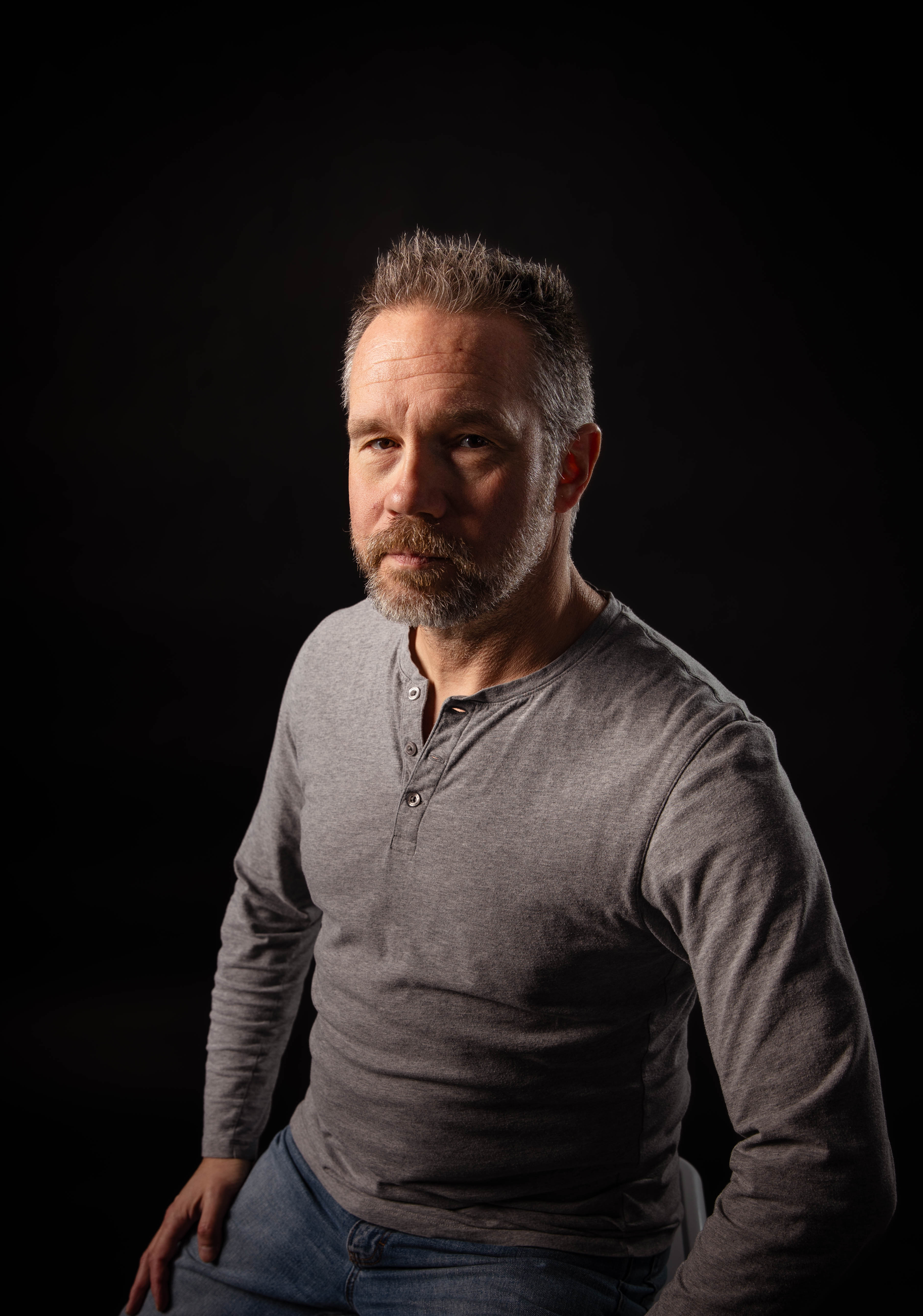
Jason Hewlett is a paranormal investigator, researcher. author and filmmaker from British Columbia, Canada. He is the co-founder of the Canadian Paranormal Society, the co-creator, writer and director of the award-winning web series We Want to Believe, and the author of four books, the most recent being The Legend of Ogopogo: Canada's Loch Ness Monster from Small Town Monsters Publishing. He also appears in the Small Town Monsters documentaries Cursed Waters: Creature of Lake Okanagan and On the Trail of Bigfoot: The Origin. His latest book, Heart of Ice: Tracking the Wendigo, came out Oct. 6 from Small Town Monsters Publishing. It accompanied the documentary Tracking the Wendigo, which debuted Oct. 26. His latest documentary, Sasquatch Legacy, came out Dec. 7 from Small Town Monsters as well. He's also the host of Paranormal Theories, a weekly radio show on Sandcastle Radio out of Florida.


