
The Complete Paranormal Investigation Handbook w/Richard Palmisano & Peter J. Roe


 Apple Podcasts

 Spotify

 RSS Feed

 Amazon Music

 Castbox

 Deezer

 Podcast Addict

 Podchaser

 JioSaavn

 Spreaker

 YouTube
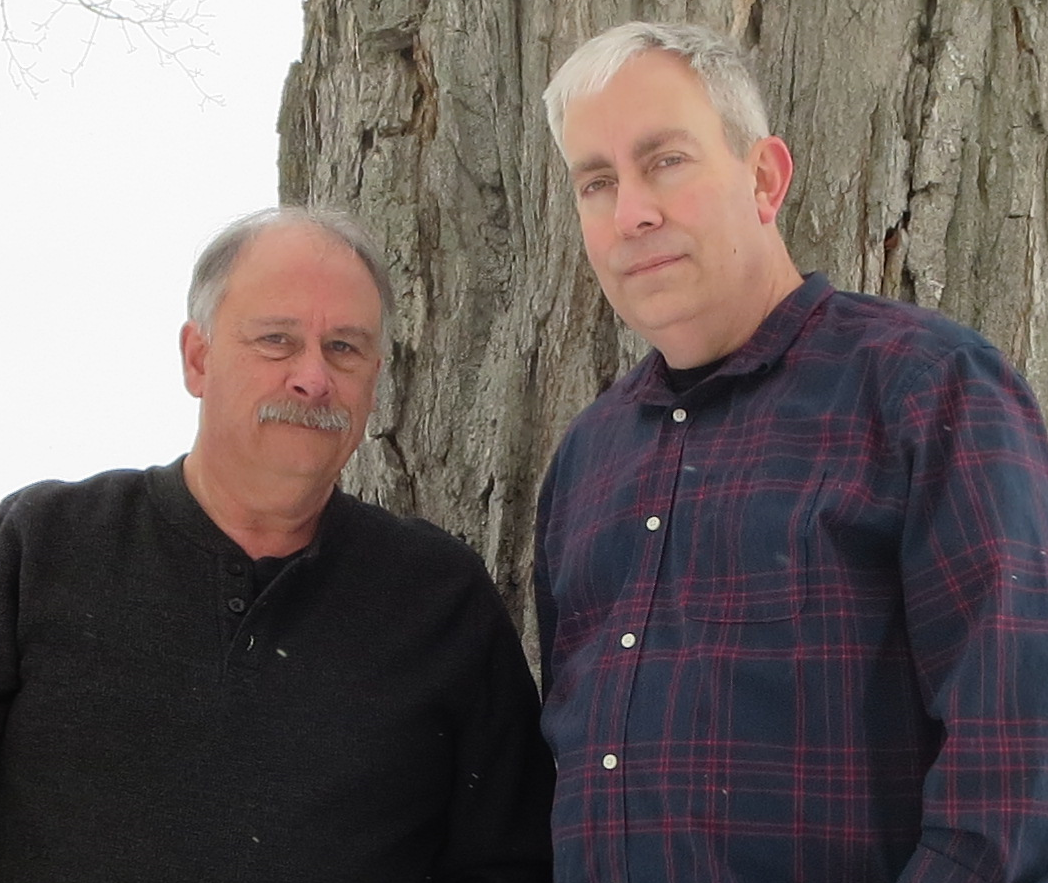
In this episode of ParaTruth: Reborn, Justin and Erik sit down with renowned investigators Richard Palmisano and Peter J. Roe to explore The Complete Paranormal Investigation Handbook. From ghostly encounters to tried-and-true investigative techniques, this conversation pulls back the curtain on what it really takes to research the unknown. Richard and Peter share their years of field experience, offering insights into evidence gathering, case management, and the ethics of working with clients who are experiencing paranormal phenomena. Whether you’re a curious listener, an aspiring investigator, or a seasoned researcher, this episode provides practical knowledge and chilling stories that bring the world of paranormal investigation to life.
Bios: Peter J. Ros is the assistant director of The Searcher Group (est. 1979), and he serves as director of its subdivision, Mortal Coil Paranormal. He regularly conducts research, promotes the Searcher Group's pro bono services, presents field discoveries, and advocates for vanishing heritage sites. Peter has appeared in a testimonial capacity over two seasons of the Travel Channel's 'Fear the Woods', and he is the author of 'Haunted Town Halls' (Quagmire Press, 2018).
Richard Palmisano launched the Searcher Group in 1979, making it Canada's oldest paranormal investigation company. In 2011, Richard founded the Canadian Institute of Parapsychology, dedicated to education regarding life after death, ghosts, and hauntings. Several of Richard's published works have been featured in nationally televised documentaries, and the Searcher Group has also been featured in the United Church Observer (now Broadview) and Reader's Digest.
Become a supporter of this podcast: https://www.spreaker.com/podcast/paratruth-reborn--6273542/support.
Thanks for listening!
0:03 Welcome, Well, go well do parah Truth. How's it going, Paratruthers, Welcome to another episode of Paratruth Reborn. This is a pre recorded show on one of seven point seven FM, New Orleans, one oh five point three FM on the Gulf Coast and United Public Radio Network.
0:48 My name is Justin. I'm running solo today. Eric is on vacation, so I hope he gets rested and is ready for the next episode. Today, though, I am proud to bring on two great guys in the paranormal community, Richard Palomisano and Peter Rowe, and we're gonna be talking to them about the book, The Complete Paranormal Investigation Handbook. Peter is the assistant director of the Searcher Group and head of Mortal Coil Paranormal, a researcher author, an advocate for heritage preservation, wide appearances on the Travel Channel's Fear of the Woods. Richard is the founder of the Searcher Group and the Canadian Institute of Parapsychology and is a pioneer investigator whose work has been featured in national document documentaries and significant publication. Peter and Richard, Welcome to Paratruth reborn.
1:46 Thank you justin. So what got you guys started in the paranormal and what made you want to write a book about doing paranormal investigation? We start with a founder. Well, I was born in a haunted house. So Warden Wright's Haunted House take my interest and started chasing it. And then when I came eighteen years old, I started the searchery group. When I was back in nineteen seventy nine, so uh forty six years, I guess, Peter, yeah, and past a part of me.
2:31 Oh I got, I got to send into this today. Okay, now I'm playing the blame game already. All right, love it. Okay, I did not grow up in a haunted house. Part of me wishes I had, but I had a fascination with the subject from a very young age. I read every book I could get my hands on from our local library, and you know, scared the hell out of me then. But in later years, many decades later, when it started to appear on television investigations on television through most Haunted out of the UK and early two thousands, I thought, wow, people are actually doing this in real life, and so I started to look for a team that took the subject seriously.
3:15 And wasn't into this. For a thrill, but I wanted to take it seriously and face a childhood fear at the same time. And I discovered Richard and the Searcher Group through one of Richard's books. His second book, Journeys into the Unknown, featured some theory that he put at the back the end of the chapters, and I thought, here's a guy who was thinking out of the box and thinking of new ways of tackling this issue. So I looked him up and we connected after that, and I was about two thousand and eight ish, I think, Okay, now.
3:55 What made you guys want to actually write the book about it? All that came out of the pandemic? Okay, Uh, we were itching to get out there and use investigative work, and uh, you know what the pandemic going on, and it was just you know, fear and paranoia and nobody would open their doors to anybody, and so we we we concluded, well, we'd have to do a book, but what are we going to do? And then we determined, you know, we've been doing this for so long and we have all these secret ideas and theory. Decided, hey, let's let's why don't we do a book like this, So I'm.
4:41 Yeah, that was like that was definitely part of the reason. And for me, well man, probably for us, we were sort of frustrated at not finding work as well, and and uh we we're a little upset with the prevalence of paranormal TV. How it's sort of you know, like saturated the markets, all these shows and whatnot, turning the lights out kind of thing, investigating in the dark, and all the thrill seeking type things that they do on television. And it was also born out of frustration as far as getting work here in Ontario anyway, it's very difficult to approach historic owners and managers, you know, properties like that without being lumped in with the thrill seeking groups that have cropped up because of television. So between us, we thought, well, yes, we should write a book and we've got some material to share, as Richards had our techniques, but this might be our proactive way of getting everybody on the same page by sharing how we have success doing this stuff and hopefully the teams that are out there already. You know, we can't change the number of teams that are out there, but hopefully some of them will pick up the book and inspire by the content, and hopefully we can all raise the bar of you know, true investigation together and communicate and compare notes and move move forward.
6:12 Well, I really appreciate that you guys came out with this because Eric, my co host, and I have been talking about doing it for years, because I mean, there's obviously plenty of books out there about doing paranormal investigations and things like that, but it's one of those things that we wished we would have had somebody to teach us how to do the right things right off the bat, because, like you said, we basically learned off of the ghost hunting shows, like doing investigations at night and all this stuff. And one of the first things we kind of started doing was just adventuring into public haunted locations during the day because more public locations you can't do at night.
7:01 So it's like you're you're really discovering all this stuff all on the fly. So since then, you know, since coming up with the book and all that, how did you own investiga or how did your own investigative experience shape the content in the book? A great deal actually, because we're you know, we with Over the years, we developed specific techniques and UH and methodologies and we're if you think about a good basis for the book was we we've been very successful and a lot of the techniques that we've developed and if you can imagine how many teams are out there, I mean they arranged in the tens of thousands. Mm hmm.
7:58 What we're trying to do is is cut out that middle man, right, why reinvent the wheel? If we're having success with certain techniques here they are you don't have adam and you know, uh, they should work for you as they've worked for us, and that cuts out a lot of afric amount of time if you're if you're if you're new into the field and you're going out there to do this work, Well, here's a shortcut instead of you know, trial and error, trial and error because access to a place is difficult. So if you're doing trial and error, it could be it could take years to finally get to where where we are. We're just giving you that shortcut and we're hoping that you know, you find that success as well.
8:52 Okay, now you mentioned that you started the group in nineteen seventy nine. How difficult was that back then compared to today. It was a double edged sort. On one side, there was a lot of a lot of people that appreciated what I was doing, and on the other side was the I'm going to call them the laughing skeptic. So I had to deal with both parties. And I come from a security law enforcement back round on that okay, thirty seven years of it. So as as time rolled in, I became the guy. So if you know, I worked within government institutions, large corporations, and these places have problems as well mhm, but they don't like to talk about it.
9:57 So I became the guy because I was I could I could keep a secret, I could uh keep keep what was going on quiet, so that I was brought into places that nobody else would even know about to have a look. And usually I just wanted to know, is there a problem? Is is a reason to be worried? Can you talk to our security staff because they're afraid to come to work and you're trying to aleviate those situations and mitigate that problem for them m hm. When I became known in that field, and uh so we'll get invited to places that nobody, nobody else does so and that, you know, that was a big part. When we we did the book on the Canadian National Exhibition.
10:51 It started off with a small conversation they said, having noticing some ghosts of the activity, very similar or to what was in my second book, which I called the Party, where there's a you know, clinking of glasses and laughter and music and loud conversation. And I've noticed this a few places, and they've noticed it in their building for one of their buildings, and they said, you want to have a look. I didn't know at that moment that when they said you want to have a look, that I was being brought in to investigate all the buildings and property coming out of look nice. And then I did go and have a look, and they said, well this is really interesting. I'd like man, I'd like to do a bigger investigation. And the curator looked at me and said, well I thought you were okay. And that turned into the like now, I think it was thirteen months then we saw it just about every inch of the place. I sent two buildings we couldn't get into because they were privately least. But you know, that was a huge job.
12:03 M So in your guys' opinion. What separates a credible paranormal investigation from one that isn't. Well, it's the integrity grant. It's just you know, doing the right thing, whether somebody's watching or not, you know, and being able to say you were wrong. I mean, you know, I can't count how many times I was. I've been wrong, you know, to make your best guess, and you know, six months into the investigation, you go, wow, I was dumb. So when you learn from from those errors, and that's you know, and because you learn from them, then you could take the proper path and maybe come to some you know, better conclusions and something that you know makes sense. But we're all going to be making mistakes.
13:04 And if you know I'm right and breaks, well, then you're fudging it, right, Yeah, doesn't have a good way of putting it. That's how you learn. Yeah, you know, that's how we learned. I mean, you know, stuff's gonna go bo. Yeah, I don't know how much you know. I get and sort of like the Wilie Coyote, Right, I get this crazy idea about a theory and and I used to have a good buddy get access to to electronics lab and we say, hey, I got this theory and I need this piece of equipment it doesn't exist, and he build it for me right cost, and then it didn't work. So you know that's education is expensive, right, Yeah, to try it. That's how how we wear. We try stuff and it's either does you have there it does bad?
14:01 So right. Peter, Oh, I just I'll ride Richard's cottails on this one as far as as far as the integrity goes. Ah, well, right now, I'm thinking of a local group in our town we have on Facebook. There's a local it's called Tell and Sell, and people can usually sell stuff in town, you know, used items, et cetera. But once in a while you have announcements by people who live in town sharing a project that they're working on. And recently there was a post for a local a local place that used to house Armenian boys in the early twentieth century and after the Armenian genocide. And I remember trying to get into that place myself to you know, to do an investigation, and and was sort of put off. This is years ago, and all of a sudden this post comes up saying, hey, I want your stories. Our group is going in there. For a television show kind of thing.
15:10 And I thought, oh my gosh, if anyone can you know, could please stop and look at our manual first. There there's that person. Because my point is a professional wouldn't advertise what they're doing ahead of time. They wouldn't say, Hey, we're going into this place and tell the world even if you were looking for stories, don't tell them. Don't tell the public that it's for a paranormal investigation. Just ask for stories. But they just just had to splash their I don't want to say their ego or their whatever, their their name out there as a paranormal group. Hey, look, you know this is what we're doing, and we that's something we will not do. We'll never do that. Everything is by the book, as I've learned through working with Richard and the Searcher Group, safety and confidentiality or number one.
15:59 If two things can be number one, they are and there's you know, it's all in the book. It's you know, there's there's a method to doing this confidentially, respectfully and safely for clients and and the team. So I think that's a long answer to your question about you know, sort of what differentiates maybe between you know, professionals or people trying to do as professional a job as they can and thrill seeking group. Right, well, and I'm glad glad you guys bring up both, you know, admitting your mistake but also working smart and safe. Because when we first started doing investigations, we were actually invited to go do an investigation at a business and we caught a picture and thought it was something. We thought it looked like it was almost looked like it kind of like a grim reaper type image to us, and so we presented it to the client just like, here, we've caught this. We can't explain what it is, but it very much looks like a skeleton or a reaper or something. And then years later, my cousin decided to run stuff that we have done in the past through the more updated filters and stuff. He went to school for cinematography, so he's been able to identify a lot
17:30 of stuff a lot easier. And he texts me and he goes, yeah, you know that thing that we thought was a grim reaper, it was a bush in the office. And of course we didn't have contact with the client anymore, so we couldn't say, hey, whoops. But We've admitted it on the show multiple times, so if they've seen the show, we're totally sorry that he came up with that. But that's the learning part, right, It's easy to do. It's uh all right. I remember working. Uh. I was working a late night shift. I was working on at a government facility. I was all by my shelf. Uh.
18:12 You know, I'm sitting there about a wall of monitors, like sixty five cameras to watch. It's a blizzard outside. It's like three in the morning, and all of a sudden, I see these three things standing outside. They're just shimmering moving around in a mile. What the heck is that? And I and of course I gotta go luk, right, so I go out and look and it was just three patuo umbrellas that were closed. The snow belt up on them and they were moving in the wind. But you know, on camera, it was like that's uh, I'd rather got them before they got me, right, so uh, And I'll admit it. Yeah, you make mistakes, you see stuff that's like but uh yeah, and that's why we like this, you know, we'd like to take if you're taking pictures, take a whole bunch. Yeah, we come out of places and we've got four or five hundred and four graves to go through and m nothing on them. Video. Yeah, but we try and shoot the same image over and over. Yeah, we you know, it may looks different in one photo, but then you've got your control photos compare them and say is it different or is it the same or is it you know, is it the lighting or is it r right? Yeah, I mean it's it's it's a lot of work. People, A lot of people don't realize how much work goes into this. I mean, just to analyze audio video right when you're running through or four
19:43 cameras for eight hours, so a lot of hours to go through. Can't just fool through it and hope, wow, you know something kind of pop out. No, and thank god, my brother does most of the the analysis, and you guys are on a big screen TV with's a round sounds. I mean, neighbors hate him because you know, you've got some ghostly stuff happening and it's like in your face right right. He loves it, he uh he uh, you know he'll call me and see, oh my god, you just I just heard that you got coming here over there and look at it or listen to it. He wants to be that pioneer to hear it first.
20:26 Mm hmm. Well he has caught some amazing evidence through the years. Okay, now there's tons of equipment tools from simple to advanced. What kind of technology or tools do you guys find truly useful versus it's just a hype thing where people are just trying to sell something to you. Going to uh, well he use of why writing of stuff? Right? Going back to Harry Price, right, baby powder, motion to sensors or trip wires. Or are you up to uh what's that a string of bells? Yeah, tape on the door. Yeah, it's what works for you. I don't I don't have any time for stuff like the obelisk mm hmm. You know things like that the flashlight trick where you sort of loosen the ball and you make that that's been debunked.
21:31 Yeah, I just I just don't have time for that sort of stuff. I like to deal more of the hard science stuff. You know. Goss Meters are great, but they're they're usually uh, single access. I like trimeters. We're good rings from the whole area, no gay right. I like to do comparisons from a gossmere too to try field mirrors are a natural try filled meter rent a subtle energies. And I don't even compare that to a simple compass where we've done that in a number of places where the company is it's just spinning like a like a rotor blade. Oh wow, Well what does it mean? Rights, It's great to catch this phenomena, but what does it mean?
22:28 And this is this is then you've got to start collecting all the data, like while that was happening, what else was happening? Was there a temperature change? Was there sound or is there any vibrations going on? Was there you know, was there any DP happening? Was there? Right? So you want to collect this munch data and then see what connect the dots, because usually one phenomena doesn't happen at that time. It's usually a whole pile of phenomenon only focused on that one thing. That's really cool. You have to have it all to get the big picture. And I'll give you some idea of what the attributes of the ghost are because they're removed from the physical, but they still have attributes. There's still something about them m hm. And it's got to be complex. So the more complex, the more little tweaks and phenomena is going to occur when they're around. So it's the same as a human when when I'm around you know, I'm around r I don't want to make noise. I got to leave a sign somewhere. You know, I'm going to do something.
23:41 Right, Okay, mm hmm. If I could jump on that. As far as the gadgets that are sort of being sold for being gadgets, I'm going to bring up the portal or what's called the portal, which is the modified spirit box. Yeah, there's being they're being sold as a device that it's like a spirit box, but chock full of filters to filter out junk noise, voices you you don't want to hear kind of thing. And I admit they sound creepy as hell on take TV shows and stuff. And they're usually sold in like repurposed radio boxes that you can get at the shrift store, and you know, they got the the interior out and put the device in it and it's made out of wood and they stick you know, little lights around the outside and what Okay, great for a visual maybe great for television. Creepy as hell you know, when the voices come out and going whoa, you know, stuff like that. And yeah, and it's left for interpretation. But I do mention this in the book.
24:48 We have a section on equipment that we would recommend highly and others to stay away from. In a portal is one of. Them, precisely for the reason that as investigators, people who depend on them or trust in them, that you're putting your trust in that there's a filter in there that's you know, somebody has told you that these filters are getting rid of junk messages, Well who were they to say, what's junk? You know, you could be missing some really interesting data just because somebody's version of you know, junk seems useless to them. So yeah, anyway, I explained myself better in the book, and and I advocate for you know, doing the work. If and if you're going to have, say a spirit box session with an old fashioned spirit box, which is our you know, we think is probably the closest thing we have to real time communication for those of us who aren't psychic. And just when you're listening back to to the to those recordings of those sessions, you know, like take the time and and don't you know, like dismiss every sound that comes out of the box.
26:03 There might be not necessarily responses to the investigators questions one hundred percent of the time, but we'll catch and I've caught many times conversations in the background going between people talking about us or referring to us, or telling us to shut up, and that kind of thing. And a portal, I'm afraid would probably you'd. Lose all that you lose all that data. And uh and again that that's you know, if you if you're missing it, then you're missing part of the the the clues that that we're that we're looking at looking for when we're doing this work. Right, well, and I have used a portal, you know, I've also used just the spirit box, and yeah, the portal is fun just to play with, but yeah, you're you're losing that white noise a lot of times. And it is believed that that's what spirits are using, is the way noise, not just pulling something from the broadcasts.
27:03 So that's right, right, it's a carrier wave, right, yes, oh yeah, yeah, yeah, I find uh, you know, I I've seen people use them and and uh, I'm sort of yeah, how much. Was that a few hundred dollars? I don't know anyway, have that man? Enjoy it? Great conversation, Pete, right, yeah, but yeah it's hard. That looked nice on the shelf. Yeah, yeah, no, it's creepy. It's yeah. Now, how do you guys approach cases where there's families or or clients that are frightened by the activity.
27:45 Carefully? Go ahead? Oh no, go ahead? No, I was so that was my one line. If it's if it's a couple saying or a couple, then that's completely different. And if it's a family unit with children, you know, if they've got children, then you can get guy going with the kid gloves han and no pun intended, but and and deal with it, uh hm, smarter and a little softer. You still have to interview the kids. What do you want to do it in the way that it's not going to frighten them, So it's just having a conversation because you have to know if they're if they're being uh witness to phenomena, or they're being attacked, or if they're being bothered, or maybe they're the entity's friendly with them and maybe not friendly with the parents or the dog so you do have to interview all of them. Uh, and then you have to deturb on what's going on in their point of view.
28:58 And it doesn't mean it's a paranormal situation. Right. You need to get in there and and really find out. Yeah, if there's something naturally occurring that's causing this fun right, right, you know, poor wiring, or there's a slight ghastly in the firmness or infrasound or you know, you have to you have to take out all these different phenomena. Right, do they have rodents or raccoons or they So once you want to it's like a home inspectrum actually, and you need to go in and find out what's happening and what's not And you have to go through a gigantic checklist and say, okay, this is you know, there's no ghastly, there's no mold, there's no infrasound, there's no the wiring is great. Uh, there's no rodents or raccoons, there's nothing in the attic. Once you start removing the natural causes, you know, what you're left with could possibly be paranormal. And that's when you start your paranormal investigation. Uh, neuralways.
30:14 Simply start with a. H. E. D P collection. I'm trying to communicate with it, and then we'll escalated from there if depending on the results, what are we getting, Is there any activity? Are we witnessing anything as well? Can we verify with what the people are telling us? And if so, then we bring in an audio video surrounds. That's our workhorse, playing and symbol that's the workforce for an company. Mm hmmm. We like to move the family out of the out of the area. You know, you go to a restaurant or go visit your family or friends somewhere, and we'll saturate the building with audio videos. We'll go in and talk about them, maybe even skeptically about them, like they I don't purely believe they exist. I think it's nonsense, and get them riled up, and we'll go to a coffee shop for half an hour or so. I leave the building completely empty, lock it up and it's empty, and the audio videos working while we're gone, and nine out of ten times we'll get a conversation going on about us. Yeah, in an empty house.
31:40 That's incredible. Yeah, and uh, and that's really our workhorse. We've been we've been using them for decades and it's very successful. Mhm. And and the intelligence you gain from that is because they're very social and they'll talk and they'll use each other's names, like we do. You take it home and you review it and you go, oh, Jeff's there, and I don't know who is Rebecca is? And now you've got names, So that's twofold. You can go back and talk to them using their names, and they're like, what right is You've got names? Now to go into the history of the place and see if these people ever existed on that property, So that intelligence becomes very valuable.
32:31 And yes, that's how we how we work. Okay, now, I'm sure I probably know the answer to this, but you brought up debunking. Have you ever had to debunk an entire case where someone is swearing that it's paranormal activity, they won't let up, and how did you guys handle that when something like that happens. I don't think in the history I've been with a group. I don't think I've been around for a fleet de bunking at all been very successful. Yeah, the only place where we debunked and it wasn't a home there was a road. It was called ghost road man okay, And the old legend law was if you sat on this road in the middle of the night, you looked down this road, you could see all of a sudden the head light come out of nowhere and it was, you know, the guy that died on his motorcycle come up the road. That was That was the legend.
33:30 And so we went down there and uh, we set up pitch black, creepy area, and we saw the headlight came out of nowhere just all of a sudden. I was there and then it went away, and I would, man, it looked pretty creepy, you know. Uh, if it wasn't me, I'd be absolutely convinced there's morecycle guys coming down the road. But it didn't set well, and so some of the team members took their car. We got a couple of cars and they drove way down the end and there was a crossroad at the end of this ghost road.
34:15 And what was happening. Cars would come up this road and there was a posted signed it was sixty kilometers and were facing that cross road, but it was loose. The boats were halfway out and it was shimmer in the wind. And it would pick up the headlights coming up along the crossroad and fire that light down ghost road and I'm like, whoa, there's a light. And then it become yeah because the car gots so they had radios, we had radios, and they said, oh wait, do you see them oborcycle guy in their flashing their high games up a crossroad at this sign and we're like yeah. And then they turned the light out. They said, did it go away? Yep, So we started to bunt that.
35:00 But the funny thing was one of the guys in the car, he had his music on the on the car radio and uh, something something unseen came by and pounded on the car because I guess they didn't like a music player right there. Yes, so it's haunted, but not by the motorcycle guy. Okay, so yeah, so it's fun. Yeah. Didn't you discover that there was an indigenous pathway that area? Yeah, it used to be an indigenous a way they used to Yeah, it quite possibly been, uh you know, and that's one of the meetings felt that it was indigenous and they just didn't appreciate the noise. No, no, I agree should have been. And then the guy who was young and all right.
36:03 Well, playing off of off of that question, have you ever faced a situation during an investigation that made you consider abandoning the case? Yes, yeah, yeah, yeah. Richard's fifth book, Meeting Place of the Dead, documents that, okay, quite well, And that was the case that I was a part of. I wasn't for the ghost I wasn't there for the ghost road debunking. But it's hard to summarize it, but it basically it took place just outside of the town I live in, so it was very close to home. And Richard and I were invited to this place after a presentation at a historical society and this woman brought us a photo of a small cottage like establishment on a rural property with the barn out back.
36:54 And this photo was taken by the Google street car. And she said, she said, what do think of this? And standing in front of this house was a woman in period clothing with no face looking at the camera. So she said what she said? There was nobody living there at the time, so are you interested? So we said, of course. Anyway, long story short, we investigated this place for about about a year and a half Richard, yeah, roughly, and it was like Grand Central Station as far as we could not get a bead on an era. We would run into different kinds of kinds of entities almost every other visit, and then they started getting nasty. Each member of the group was visited at their home, and we all lived in different localities. I think there were five of us, five or six of us, and each of us or their spouses or kids had a visitation.
37:56 And then on the site itself, Richard and I were kicked. Paul kept on Paul, the surveillance analysts. He would suddenly have vertigo and and and tumble downstairs, you know, just out of the blue. We had a medium that was choked one one evening and we just come back from one of those breaks after leaving the security or the surveillance cameras going, and we'd just come back from dinner and the medium was choked from behind, brought to tears, and uh, anyway, to round things up, Richard had to, uh, you know, you've seen similar kinds of malevolent stuff before in the past, and and so we just had to go to the client and say, you know, we're gonna have to call it quits because if we push too far, somebody's really going to get hurt and no idea how how far could go. So yeah, that's one experience so I've that I've had with the group anyway, as far as having to call it quits for safety for safety reasons.
39:00 Way, my favorite, one absolutely favorite was we were I was working on a book for at an old mansion and they had an old farmhouse across the streak and they were connected in history, but uh through the spirits as well. They were both connected, they had so we would take turns looking either at the mansion or this, this old farmhouse and this, but they go right. Uh, I just couldn't get the team together, so I brought I brought one person and then the guy I know he dabbles in film and he likes to do film directing and stuff. Yeah, he said, what are you working?
39:44 I told him, can I come out? Sure? So it was just three of us. So we went in and it was it was a hard location of work. I think they had two plug outlets that worked in the entire house, so uh, I was using one for surveillance equipment and stuff like that. So we took a break. It was probably I don't know, eleven maybe eleven thirty and it's a big it's a big, big home and foremost and it's all boarded up, boarded up for more than a decade. And so we went outside for a break.
40:25 We're standing on a front lawn, it's dark, snowbody around quiet. All of a sudden, I hear this knocking on the on one of the plywood over the windows inside the house, and we're probably about twenty feet back from those drink and at the other end of those we start earing banging from inside the dogs and then upstairs banging. The next thing you know, it's like there's twenty people in there, all pounding on the on the inside of the plywood and the doors, and the it's getting louder and louder and louder. All of a sudden, there says a woman's scream from inside the house, and everything goes dead quiet.
41:16 And the funny thing is that the director guy looks at me and he goes, is that normal? I said, yeah, the houses do that. But I had calculating the value of the equipment that's in the house because I'm not going to get it. We called it a night, got in the cars, left the equipment and everything. It just went home. That was uh, you know, my God said this is not the time to go back in. So yeah, but that was that was one of my It wasn't the greatest moment, but it was the yeah the equipment, Yeah I can get more equipment. Yeah, at least you you were around to uh to tell that story, right. Who knows what would have happened if you didn't go back. I did retrieve that equipment.
42:05 I did finish that investigation, but not that particular. But well, I have to listen, trust your gut because sleep he's all off. Yeah, go with your gut, because oh yeah, there's man a lot of times I didn't, and I you regret those moments. Well, on the other end, the you if I have family, A family called me and they said, oh, we're having almost terrible ghostly phenomena. We're scared, and they mentioned the demon word. And I'm like, mhm, said right, all right, So. If people tend to forget you're an investigator and they're calling you into their house and you're going to look around, you're going to investigate, right. The first thing I noticed when I came in, I'm interviewing, I'm I'm walking around and I asked him. He said, so, do you guys normally have an interest in the parent normal? No, you watch shows on it or anything, or like you get any ideas about this? No? No, Well hold on the man.
43:10 You have an entire bookshelf here at Karen Normal and Witchcraft and spell Casting. You have a Ouiji bar here. I thought you weren't having no interest. Oh oh yeah, well that's yeah. You know, at that point, I'm not really interested because if you're going to be lying about. It, right, how are we going to get to the truth? Right? I just say, you know, I think there's probably another team that can help it. But I don't think. Mmmm, well. Thanks log yep this or this? Ah.
43:55 Now what lessons or skills do you hope new investigators take away from from this book? Well, I I'm hoping that they'll take away they'll recognize the advice or the the techniques that are shared in this book and. Look at them and give them a try. And uh as I said, uh as, I tried to say up their game and and sort of media at the same level of accomplishment and using these techniques. Really, it's uh we're hoping, uh, you know, to put a positive spin on this manual. It's it's to bring bring up the game universally, I guess, nationally, and start a conversation between teams instead of competition between teams and getting them getting likes on YouTube and whatnot and trying to get a television show of their own, you know, use these techniques that are in the book, and let's compare notes and try each other's experiments and say what works and what doesn't work. And if you have theories of your own that you want to share, we want to hear them. Likewise, if you have if you don't agree with some of the theories that that Richard and the Searcher Group Think think Tank have come up with, tell us why, like what what doesn't work for you, and let's have a talk about it. So hopefully the manual will will be an invitation for that kind of conversation to get started.
45:28 Okay, just just be you know, and when you're dealing with the client or whoever you're working with, whether it's working with anybody or you might just have access to a property, you know, be respectful, be pleasant to book, be a professional, and always be honest. You know, I people shake their head as an author. Authors are usually protective and secretive, and they don't want to tell you anything till the book's out and the books out and go, okay, I can talk about it. I will write the entire manuscript.
46:12 And I've been you know other authors just shake your head to me. I'll take a manuscript back to the client and say here it is, have a read of. It before it even goes to the publisher, because I want to make sure I'm not saying something that's going to startle them or embarrass them or give away the cat brace to be great, right, I want to make sure they're comfortable. And then if they'd say, oh, that's great, off to the publisher posts and why not. It's it's an honest it's an honest way to do things right. I want to feel like I'm pulling some some wool over the client's eyes and doing something behind their pack, because that's not what this is about. Right, above board and honest and transparent. Just what happened, and there it is, right, and it's all about you or your house or your family or whatever it is. So you need to be comfortable with it.
47:14 And and that's how you build relationships and that's how you build trust within a community, right, because that word gets a wrong. Not as quick as if you do something wrong. Yeah, So you do something wrong, own it, right, I'll fix this, make sure you fix it, because it's truly about building those relationships, and those relationships will trust and not look at you in the door faster than it has. So. Yeah, thanks to the reputation that Richard has built over the years through a lot of hard work and reputable work, We've been fortunate to just been handed the key to a couple of places. When I began the what I call the Townhole town Hall tour in twenty fifteen, twenty sixteen, you know, I just I approached a local town hall caretaker and he said, here's like, here's the key, have that kind of thing, and he had you didn't even want to be there for the investigation. And that's that's that kind of trust and reputational that Richard's put a lot of hard work into establishing.
48:33 Right. Yeah, And then you know it's and you know how to read people, Ryan Gary, like are they nervous about something? What are they nervous about? Mind you? And try and mitigate it and alleviate those problems, and you know they once they probably trust uh you know, I mean even funny stuff comes out of that. Well. I did a huge shaw for the for one of our municipalities down here in the city. It's a large city, Mississauga. Now we were cadillacing historically owned properties that the city owned.
49:13 It was a huge job. Took ten months, you know, we got we got to be done. And so there's this one manchionoda in the lake. It's uh they use it as a music conservatory right now, and it's quiet, it's after hours, it's locked up. So I was waiting for corporate security to come by and unlock the door. So we go in a book and we're just sitting there. You know. The next neighbor is probably half a mile away from there, and this cop car comes in and parks right behind us, and he's walking at us, and he's like, what are these guys. There's told a bunch of guys in this car. It's late at night. What are they doing back here? So I said, okay, I gotta So I jumped out of the car and I walked over and he's like nervous. He's looking at me, like, what's this guy doing there. So I came over and I pulled out my card. I said, hey, you probably went all we're doing here? Gave him the card paranormal investigator.
50:09 We're going into that. It's called the atoms AND's a state. So pulling in into the estate, they are just waiting for a security guy. Okay, sure, bring it around the left. I don't have nothing to do with this. It's not my job description. Over it's beyond my pay grade. Man. Now, do you guys believe that paranormal investigation is more science, more of an art or kind of a combination. I would say a combination. I mean, yeah, maybe not art, but definitely an emotional human component to it. You're you're talking to before we went on air, justin we were talking a little bit about the our, our consideration for people outside of the physical still being people. You know, we I'll refer to them as spirit people, and you know, because that's you know, there hasn't been a change there in that respect. There's just outside the physical, just in a different form. So that the science, you know, that's what we have to sort of log our experiences using instruments that are developed by those of us on the physical to try to log and say for certain that there's a change in the environment. So so I would say it's a combination of both. You know, it's the
51:42 connecting through emotion and respect and that kind of thing, and as well as bringing back proof using the gadgets and instruments that we have in the physical. Yeah. Yeah, it's it's both, and you can you can. You know, sometimes you can get out of balance with it. You're trying to do too much of the science thing and right, you forget about the the human end of it. Uh. Or you can go the other direction and uh, transaturated with psychics and you're not using enough science. Right. You've got to find that balance, and you're not always successful in the balance, but you you know try. Sorry. Mediums are great, but idioms get upset with me, And we've used mediums, yeah, throughout our history, and you get upset with me because I just call them another tool in the back in the bar.
52:48 Uh. Because they are. They're another tool that I I hate to say use but or or deploy, utilize, utilized to gain information. And what I do love is when a medium is sitting there channeling information and we're running EVP side by side, and I'm hearing her giving me answers to her questions or my questions. And then when we play that EVP back, I'm hearing her asking that question, giving the reply, and on top of her reply is another voice in the background giving the same replint.
53:37 That's crazy, and that to me is I mean, that's fantastic evidence. Right confirmation. Yeah, although it's not considered evidence if you take that to a scientist or you're like, you're. I seem to recall another instance along those lines, Richard, where you're working with the male medium and he was saying a different date than the voice was insisting. No, it's this. Yeah, yeah, there was a bit of an argument going on, and what I'm yeah, Yeah, that's that's fascinating. How many cups you got going on there?
54:20 I gotta stay hydrated, man, Yeah, I could take for the other one. Yeah. Now, what do you guys think the future of the paranormal research is going to look like. A lot better after they read this manual? Uhh, that's a tough one, man, because, uh, you know, sometimes I get the press thinking about that, you know, what the new technology is coming out, and you know, usually new technology means hey, this is gonna work out.
55:03 It's actually putting us behind the eight ball, right with AI yeah, voice overs and all the junks that are coming out with now, you know, with being able to create your own photographs and your audio and video, and it's hard. It's getting harder to determine what's real and what's not real, oh for sure. And that's gonna make it even even harder for the investigator of the future.
55:43 They're just gonna like, how are you gonna believe anybody got anything? Right? So, you know, the technology. I love the older technology and it worked better. Better. I've run EVP tests uh old analog tape recorders right beside a digital recorder and I get more of the analog. Yeah, I've heard that a lot. Yeah, So, you know, just the new technology and people, and that's the the thing I don't like is a lot of investigators, instead of buying an actual camera, they take their phone. Right, the phone camera is not a true camera. It doesn't cope, it doesn't capture the actual true colors that you're seeing. So it's it's altering, you know, and there's so many layers of filters you're not really catching what you think you're catching and lead the misidentification of things. It's not truly what you saw, you know, make the investment. I mean, I mean, really, how how expensive is are there there a digital camera? Now?
56:57 Right? Just buy one and take it on the job, so I mean in a pinch. Yeah, you see something, okay, and you don't have your camera use your phone right right, just to record the situation. But you know you should be using a real, real equipment. Uh, you know, forget about all these apps on your phone. Right, yeah, because they're plenty of them. Now, if you're gonna do it, you know, unless it's a fly by night hobby, it's just an interest you want to just do, right, And if you think you're out there trying to capture real evidence and you're really trying to do something important, you know, do it right mm hmm. Otherwise what's the point? Right?
57:50 So right, all right, we are running out of time, So I wanted to give both of you a chance to tell everybody where they can find you, guys, find your your work. The MIC's all yours, okay, here in Canada and around the world. We can be found at does search your group dot ca A. That's the address of our website. We'll find bios and book covers and many articles on a lot of the work that Richard and the group have done over the years. What else can we add to that? Richard our books? I guess now if you want to contact me directly, I'm not the Searcher Group, that's Richard at the Searcher Group dot ca. Or you can look me up on Facebook sometimes I'll post stuff there. Our publisher for this book, Llewellyn Worldwide, is gracious enough to have a paranormal journal online invited us to do some articles which we have so we can always go there. What's up as well?
59:03 And h and all of our books are available through Amazon chapters. Any good books to our well should have our books available. Yeah, twenty four seven, seven days a week. All right, Well, Peter Richard, thank you guys for being on Paratruth Threeborn. Well, thanks for having us on. Thanks Jostin ID appreciate it. Yeah, all right, folks, I hope you enjoyed that episode with Richard and Peter. Definitely make sure you check out the book, The Complete Paranormal Investigation Handbook. It's definitely a great read for those that are either wanting to get into paranormal investigation, or who have been doing it and need some ideas to to up their game. As Peter had said, so if he have any questions or whatever for them, definitely reach out to them. We got a lot of great stuff up coming up for you guys, so I appreciate that you guys are still listening to us each and every week. Make sure you like, share, subscribe no matter wherever you listen or watch. And again, this has been a pre record show on one oh seven point seven FM, New Orleans, one oh five point three FM on the Gulf Coast, and United Public Radio Network.
1:00:28 Make sure you check out all the great shows that we have on the network because there's so many great ones on there. But until next week where you'll find us, same time, same channel. My name is Justin. Talk to you guys later.
Author
Peter J. Roe is the assistant director of The Searcher Group (est. 1979), and he serves as director of its subdivision, Mortal Coil Paranormal. He regularly conducts research, promotes the Searcher Group's pro bono services, presents field discoveries, and advocates for vanishing heritage sites. Peter has appeared in a testimonial capacity over two seasons of the Travel Channel's 'Fear the Woods', and he is the author of 'Haunted Town Halls' (Quagmire Press, 2018).
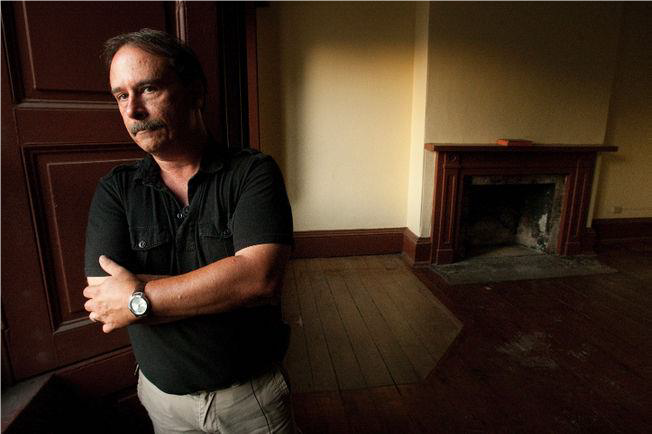
I have worked in law enforcement, security and surveillance for over 35 years and am a trained investigator. Retired.
Raised in a haunted house, I became fascinated with the paranormal at an early age and at the age of 18 I launched The Searcher Group in 1979, and is Canada’s oldest paranormal investigation company. Its mission is to investigate paranormal activity, develop and conduct experiments for the advancement of parapsychology, to research and the development of new technologies and theoretic models. And to provide, free of charge, assistance to people having difficulty with paranormal activity either personally, in their home or business.
I work closely with Historical Societies and Government Agencies.
The Complete Paranormal Investigation Handbook is my 6th book.


